

GUIDE: How to check your inflatable life jacket – step by step
Note: This guide can’t replace a professional inspection of your life jacket, but it’s an important supplement to ensure your safety on the water.
How often should you check an inflatable life jacket?
Inflatable life jackets are both mechanical and gas-powered, so they need regular checks. And that applies even if they haven’t been used or got wet.
- At least once a year – even if the jacket has never been used.
- Before every season – preferably before the first outing on the water.
- After each inflation – the gas cylinder and trigger should be replaced.
What you’ll need to check an inflatable life jacket:
- The life jacket you want to check
- A good working surface
- Possibly a new gas cylinder and trigger
- Access to light
- Manufacturer’s instructions
- Service log (recommended)
STEP 1: Visual check of the inflatable life jacket
When checking your inflatable life jacket, start by inspecting the outside.
1. Lay the life jacket flat on the table.
2. Check:
- If the fabric has any rips, holes, wear, or discoloration
- That the reflective straps are attached and visible
- That all seams are intact
- That the buckles and straps are intact and function properly
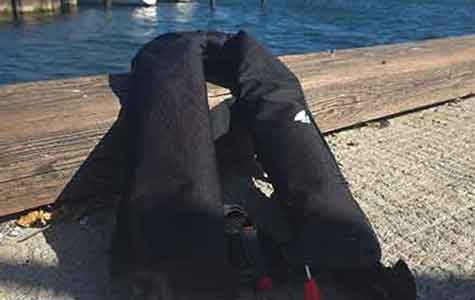
Packed life jacket - Here you can see a packed and ready life jacket.
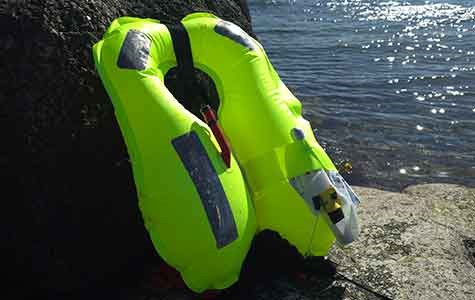
Triggered life jacket - Here you can see an inflated life jacket.
STEP 2: Check the gas cylinder
The gas cylinder contains carbon dioxide (CO₂) and is what inflates the life jacket when triggered. If the gas cylinder is damaged, the jacket won’t work, which is why it’s important to check it.
1. Unscrew the gas cylinder (turn it counterclockwise).
2. Check:
- That the cylinder isn’t perforated
- That it doesn’t have rust, dents, or dirt
- That it has the correct weight (e.g., 16g or 33g – check the jacket’s label)
3. Screw the cylinder back in if it’s intact.
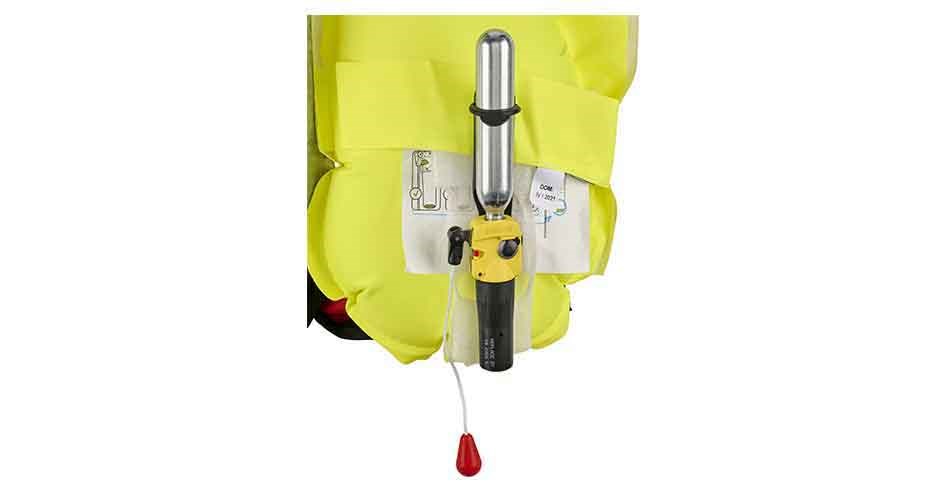
Gas cartridge and trigger - Here you can see how the gas cartridge and automatic trigger are positioned on the vest.
STEP 3: Check the trigger
The trigger is the part that starts the inflation when the jacket comes in contact with water. It’s sensitive to moisture, so it has a clear expiration date stamped on the side, for example, "Replace by 08/2025". A trigger that doesn’t work could mean that the jacket won’t inflate automatically in the water, so it’s important to check it.
- Find the stamp on the trigger and check the date.
- If the date has passed, or if the trigger looks damaged or wet, it needs to be replaced.
STEP 4: Check the pull cord
In addition to automatic inflation, most inflatable life jackets also have a manual function that’s activated by pulling a cord – often marked with a clear handle or label. It’s important to make sure the cord works as it should.
- Find the cord – it should be visible, easily accessible, and not hidden under the jacket’s fabric
- Check that the cord is easy to grab – you should be able to pull it with one hand, even if you’re wearing gloves or are wet.
- Make sure the cord runs freely – it should not be tangled, sewn in place, blocked, or pinched. It should be able to pull out quickly and without resistance.
If the pull cord doesn’t work or is hard to reach, it could make it impossible to inflate the jacket in an emergency – especially if the automatic trigger doesn’t activate.
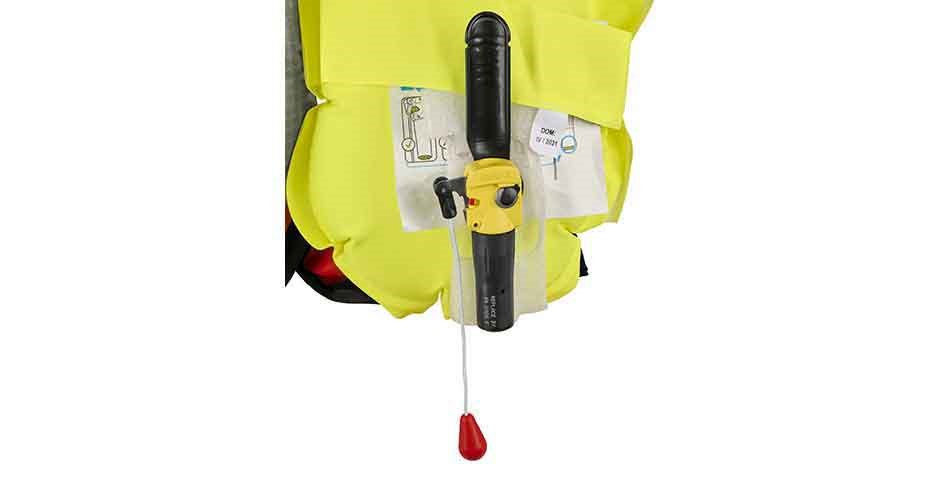
String pull - Underneath the gas cartridge is the pull cord for manual release of the gas cartridge.
STEP 5: Mouth valve for manual inflation (optional test)
You can also check that the jacket is airtight by inflating it manually:
- Find the mouth valve.
- Inflate the jacket fully.
- Let it sit at room temperature for at least 12 hours.
- If the pressure drops, it indicates that the jacket is leaking.
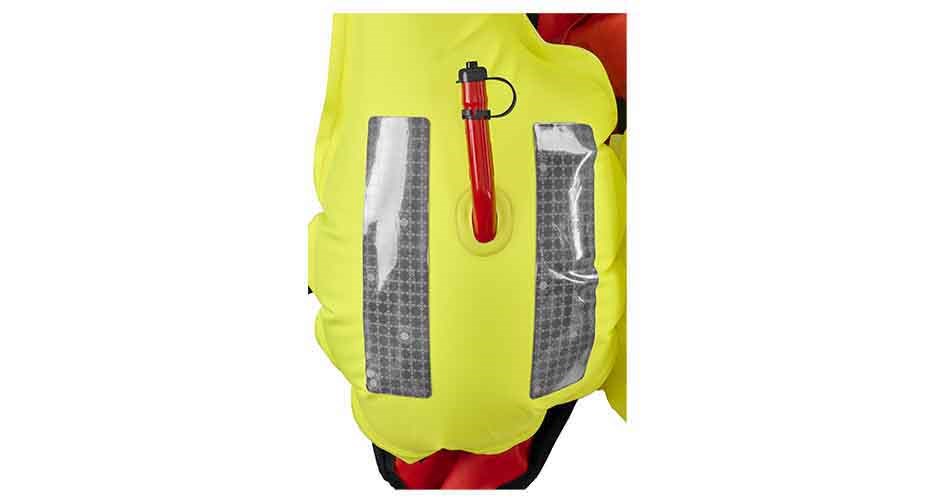
Mouthpiece - You will find the mouthpiece on the right side of the vest for manual inflation.
STEP 6: Deflation and proper storage
If the jacket has been inflated (either manually or by accident), you need to deflate it and store it properly:
- Open the mouth valve to let the air out.
- Gently fold the jacket according to the manufacturer’s instructions.
- Don’t fold it too tightly, and avoid creasing the valves.
- Close the zipper and secure all Velcro straps.
STEP 7: Reassemble the gas and trigger
If the jacket has been activated, or if parts are too old, replace them with new ones:
- Install a new trigger – make sure to select the correct version for your model.
- Screw in a new gas cylinder.
- Check that the indicator windows now show green.
- Note the service date on the jacket or in your service log.
STEP 8: Final check
Before putting the inflatable life jacket away:
- Check that the buckles and straps are intact and not worn out.
- Make sure the gas cylinder is correctly installed and hasn’t been triggered.
- Check that the pull cord is hanging freely and visible.
- Look for any damage or excessive wear.
- You don’t need to try on the jacket, but check the fit and adjustment options.
How to extend the life of your inflatable life jacket
- Rinse the jacket with fresh water after using it in saltwater.
- Let it dry in the shade before storing it away.
- Store it in a dry, cool, and dark place.
- Watch out for moisture, mold, and rust – especially around the cylinder.
- Use a protective bag during transport.
Biltema’s recommendations for inflatable life jackets
At Biltema, we want to make sure all our customers feel safe on the water. That’s why we recommend:
- Always ensuring your inflatable life jacket is in good condition.
- Checking it every year.
- Having a service kit (gas cylinder + trigger) onboard.
- Keeping a log of when service has been performed.
An inflatable life jacket is an important safety tool – as long as it works. If you take good care of it, check it regularly, and follow this guide, you’ll not only feel safer but also extend its lifespan. A simple check can make a huge difference when it really matters.
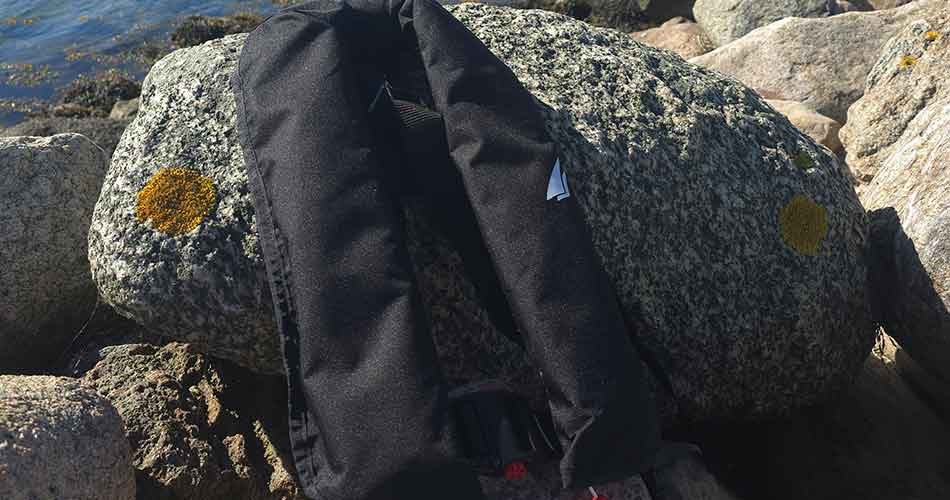
Life jacket assembled - Here, the life jacket is assembled and ready for the boating season.
FAQ
How do I know if my gas cylinder is used up?
You can tell that a gas cylinder is used up if there’s a hole (perforation) in the top. That means it has been activated, and the gas has been emptied.
Do I need to replace the trigger if the jacket has never been used?
Yes. The trigger is the part that responds to water and starts the inflation. It’s made of a moisture-sensitive material that wears out over time, even if the jacket hasn’t been used. That’s why it has a clear “Replace by” date, which must not be exceeded.
Can I do this check myself if I’m a beginner?
Yes. Inflatable life jackets are designed for the user to check and service them, as long as you follow the instructions closely. This guide is simple, so even if you’ve never done it before, you should be able to follow along.
What happens if I don’t replace the jacket’s parts in time?
If you don’t replace a used or old gas cylinder, the jacket won’t inflate. And if you don’t replace the trigger on time, there’s a risk that it won’t activate the gas when it contacts water. That means you could end up with a jacket that doesn’t work when you need it most.